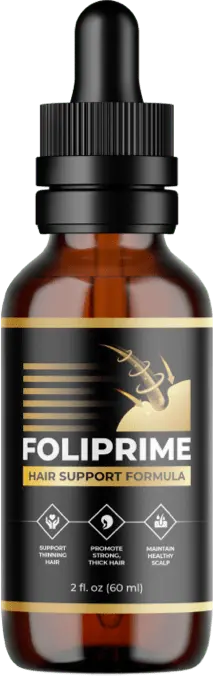
 FOLIPRIME
If you searched for “FoliPrime supplement,” the first point to establish is the product format: FoliPrime is a topical hair serum. It is applied to the scalp and is not intended to be swallowed. Its ingredient list includes oils, extracts and familiar hair-care ingredients, but that does not make the bottle an oral vitamin product.
The distinction affects how you compare it, how you use it and what questions you ask before buying. This page explains the format and routine in practical terms, so that a broad search phrase does not lead to the wrong assumption about the product’s purpose or application.
A dropper bottle does not mean oral use
Different products can use similar packaging. A dropper may appear on a topical serum or on an oral liquid, but the package shape does not determine which instructions apply. FoliPrime belongs to topical hair care. Read the current bottle directions and keep the product identified clearly among the other items in your routine.
The liquid is applied to the scalp and gently distributed. It should not be added to a drink, taken under the tongue or measured as a dietary serving. Those actions would confuse a hair-care formula with a different type of product. When a direction is unclear, ask product support rather than borrowing instructions from another dropper bottle.
This also changes how ingredient names should be understood. Biotin in a topical blend is not the same product choice as an oral biotin supplement. The presence of a vitamin name does not change the route of use or establish that the serum corrects a nutritional deficiency.
What the formula contains
FoliPrime combines 13 named ingredients. Its botanical oils include argan, babassu and ricinus oil, with ricinus also known as castor oil. The list additionally includes turmeric oil, vanilla planifolia fruit extract, ylang ylang, capsicum, frankincense, myrrh and lemon essential oils, plus keratin, biotin and hyaluronic acid.
These components are presented as one finished formula. You are not asked to buy them separately or prepare a mixture at home. The practical product is the blended serum, and its own directions should govern how it is used. Adding concentrated oils or other substances changes that formulation.
The ingredient list identifies the blend without specifying individual percentages here. That limits what can be inferred about any one component. You can compare names and notice ingredients relevant to your preferences, but you should not calculate a dietary dose or assume a measured effect from an unlisted concentration.
Who the format is intended to interest
The product is aimed at people looking for hair and scalp support, including concerns about dull or thinning-looking hair. Someone who prefers direct application may find a topical serum more relevant to their routine than another type of product. That is a format preference, not a guarantee of an outcome.
Consider whether you want a dedicated scalp-care step. If you already use several styling and conditioning products, another application may be welcome or may feel unnecessary. The decision should begin with the role you want the serum to play, rather than with the number of ingredients or the largest available package.
Hair appearance can raise medical questions that a cosmetic product page cannot answer. Sudden or persistent loss, an existing scalp condition or uncertainty about symptoms warrants appropriate professional advice. Choosing a topical formula does not remove the need to understand a health concern separately.
Building the regular hair-care routine
Dispense 2–3 drops onto the scalp or into your palm. Use your fingertips to massage gently in circular motions, allow time for absorption and do not dry immediately. Apply the label-directed 2–3 drops and gently work the serum onto the intended scalp area. Keep the instructions available, especially when starting, so that the routine remains connected to the product actually supplied.
A useful routine is easy to remember without increasing the amount or frequency beyond the directions. More product does not automatically make a cosmetic routine more effective. If the label is unclear, contact product support before deciding on an alternative quantity, particularly when information found elsewhere differs from the bottle.
Think about application as its own step alongside washing and styling. The serum is not identified as a replacement for every other hair-care product. Keeping its purpose clear helps you assess whether the addition fits comfortably without assuming that one bottle should perform the jobs of several different products.
Observing a cosmetic product fairly
Personal observations can help you decide whether a routine suits you. You may notice how the product feels during application, whether its format is convenient or how it fits with the products you already use. Those are legitimate practical observations even when they do not prove a medical benefit.
A change in styling, shine or texture is different from a measured change in hair growth. Avoid treating every visible difference as proof of a mechanism. Lighting, styling and other parts of a routine can affect appearance, so a single impression does not establish what caused it.
If you are unsure whether a reaction is related to a product, keep track of the products used and seek suitable advice. Product support can clarify the supplied formula and directions. It cannot replace individualized clinical assessment, and a website cannot determine your response simply from the product name.
Safety questions specific to a topical blend
The formula contains essential oils and other botanical components. Review the entire list if you have known sensitivities. A natural description does not mean a product is suitable for every person, and familiar ingredient names should not obscure components you would normally avoid.
If you have a scalp condition, are pregnant or nursing, use medicines or have questions about combining products, seek relevant professional guidance before use. Provide the actual label where possible. Stop using a product that causes irritation and obtain advice rather than assuming that a stronger sensation is desirable.
The route of use remains important throughout. FoliPrime is for topical application, not ingestion. Store and identify it as a hair-care product and follow the handling instructions on the bottle. If a package arrives with unclear or missing directions, resolve that with the seller before beginning the routine.
Choosing a quantity after choosing the format
Once the topical format makes sense for you, compare the packages. One bottle costs $69, three cost $177 and six cost $294. The lower per-bottle price in the larger packages comes with a higher total payment, so decide on the quantity as well as the unit cost.
Both multi-bottle options include two digital hair-care guides. U.S. shipping is free, and listed international destinations have a charge. The purchase is one-time, so you can decide whether to order again later without an automatic repeat shipment attached to the initial package.
The return window is 60 days from delivery. Keep all bottles and the packing slip if you may need to return the order, and account for the return-postage cost. Those purchase details matter after the format decision: FoliPrime is a topical serum first, and its package choice should follow from whether that kind of routine suits you.