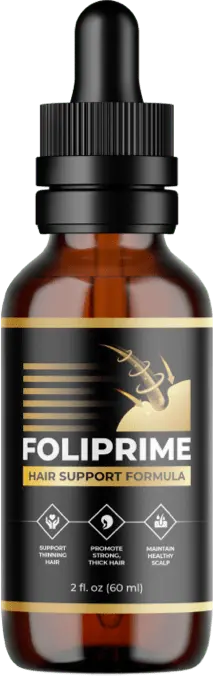
 FOLIPRIME
FoliPrime contains 13 named ingredients in a topical hair-care blend. The list combines several botanical oils and essential oils with vanilla extract, keratin, biotin and hyaluronic acid. Understanding the names helps you compare the serum with other products and recognize ingredients that may be relevant to your own preferences or sensitivities.
This page explains ingredient identity and cosmetic context. It does not assign unlisted percentages, claim that each ingredient delivers a measured result or turn the blend into a medical treatment. For the formulation supplied with an order, keep the current bottle label and directions together and contact product support when a label detail needs clarification.
The complete ingredient list
The named ingredients are argan oil, babassu oil, ricinus oil, turmeric oil, vanilla planifolia fruit extract, ylang ylang essential oil, capsicum essential oil, frankincense essential oil, myrrh essential oil, keratin, lemon essential oil, biotin and hyaluronic acid. This is a mixed formula, so its use should follow the directions for the finished serum rather than separate instructions for individual oils.
A list of names answers what is identified in the blend. It does not automatically answer how much of each ingredient is included, what processing was used or whether a particular study tested this finished product. Those are different questions. Avoid treating an ingredient’s position in an informal summary as a verified concentration ranking.
Argan, babassu and ricinus oils
Argan oil is a familiar ingredient in cosmetic hair care, often associated with conditioning and the appearance of softness and shine. Within FoliPrime it is one member of a broader blend. Its presence is useful to someone comparing ingredient lists, but it does not mean the bottle is pure argan oil or should be used like a standalone oil.
Babassu oil supplies another botanical identity in the formula. It appears alongside argan and ricinus, creating a mix rather than an isolated ingredient product. Readers interested in oil-based care can compare this combination with the oils in products they already use and consider whether they want another similar step in their routine.
Ricinus oil is another name for castor oil. Recognizing that naming difference can prevent you from overlooking it when comparing labels. In FoliPrime, it is part of a topical hair serum. The product should not be swallowed, and the presence of castor oil does not convert its directions into those of any other product containing that oil.
Turmeric and vanilla extract
Turmeric oil is the form named in FoliPrime. It is different from kitchen turmeric powder and should not be interpreted as an instruction to create a homemade scalp preparation. The finished formula already combines its components. Changing it by adding powders or concentrated oils makes a different mixture from the product you purchased.
Vanilla planifolia fruit extract is listed separately from the main oils. The botanical name gives greater specificity than the word vanilla alone. It belongs to the aromatic portion of the ingredient profile, alongside several essential oils. This can be relevant if your product choices depend on avoiding particular botanical ingredients or fragranced formulations.
Neither name establishes a treatment for an infection or a guaranteed hair-growth effect. They identify components of the serum. Keeping the description at that level helps you make a fair comparison: what the formula contains, how it is applied and whether its ingredient profile matches what you want to add to your care routine.
Ylang ylang and capsicum essential oils
Ylang ylang is one of the essential oils in the blend. Essential-oil names are worth reading carefully because they distinguish an aromatic ingredient from a base oil or a protein. FoliPrime brings several such components together, so familiarity with one does not replace considering the others.
Capsicum essential oil is also included. Some readers may already know whether products with particular aromatic or stimulating ingredients suit their scalp. That experience can inform the questions they ask before buying, but it should not be generalized into a statement that the serum will feel the same for everyone.
Use the finished product according to its own directions. There is no need to buy a separate bottle of concentrated ylang ylang or capsicum oil to accompany it. Adding ingredients yourself changes the blend and removes the connection between the purchased formula and the application instructions provided with it.
Frankincense, myrrh and lemon oils
Frankincense and myrrh are listed as essential oils. They contribute to the botanical character of FoliPrime and are distinct entries in the ingredient list. A product containing these oils is not the same as using loose aromatic resins or a homemade resin mixture directly on the scalp.
Lemon essential oil supplies the citrus ingredient. It should not be confused with lemon juice, a rinse made from fruit or an oral citrus supplement. Ingredient form matters when reading a formula, because familiar household names can refer to very different products and routes of use.
These three oils are part of the same finished serum as argan, babassu and ricinus. Consider the complete combination when deciding whether it fits your routine. If you need to avoid a specific ingredient, check the current label rather than relying on a shortened list that highlights only the most familiar components.
Keratin and biotin are different ingredients
Keratin is a protein associated with the structure of hair. In cosmetic discussions it is often connected with conditioning and hair feel. Its inclusion in FoliPrime does not mean the serum is a salon straightening service, nor does the ingredient name reveal how much is present in the bottle.
Biotin is vitamin B7. It is a separate ingredient from keratin, even though both names commonly appear in hair-care discussions. In this product, biotin belongs to a topical formula. Applying a biotin-containing serum is not the same as taking an oral supplement or treating a diagnosed nutritional deficiency.
Keeping those distinctions clear makes comparison easier. You can note that a formula includes both ingredients without merging them into one substance or assuming that evidence about dietary intake applies to scalp application. The relevant product remains the finished topical serum and the directions supplied with it.
Hyaluronic acid and moisture-focused care
Hyaluronic acid is familiar in moisture-focused cosmetics and is included in FoliPrime alongside its oils, extracts and other ingredients. Its name helps identify the formula’s cosmetic context. It is not a substitute for the complete ingredient list, and its presence alone does not establish a particular degree or duration of moisturization.
A moisture-oriented ingredient can be part of the reason a reader is interested in a serum, especially when comparing products for hair that appears dry or dull. Assess the whole routine as well as the bottle. Washing, styling and the other products you use can influence how your hair looks and feels.
Reading the bottle before application
Check the product name, topical directions and ingredient list on the bottle you receive. Use the current directions for the amount to apply and keep them available throughout use. If a quantity or instruction is unclear, product support can be reached at contact@foliprime-product.com for clarification about the supplied product.
Known sensitivities deserve attention before use, particularly with a blend containing several essential oils. A natural description does not guarantee individual tolerance. If you have a scalp condition or questions about combining products, seek relevant professional advice. The purpose of reading the ingredient list is to understand the formula, not to diagnose a condition from its components.
For a practical comparison, place ingredient identity, application format and package cost side by side. FoliPrime offers a single topical blend with 13 named ingredients and a choice of bottle quantities. That is enough to evaluate whether its format interests you without inventing concentrations, mechanisms or guaranteed outcomes that the names alone cannot establish.